So you’re thinking about becoming an esthetician. Maybe you’ve been doing your own skincare routine for years and everyone keeps asking for your secrets. Maybe you’re just done with a job that doesn’t excite you. Either way, you’ve probably typed “esthetician certification in Los Angeles” into Google about a dozen times now, and you’re still not totally sure what you’re looking at. That’s normal. This industry has a language problem — certification, license, hours, boards — and nobody hands you a glossary on day one.
We’re going to fix that. At Elite Cosmetology College, we’ve walked hundreds of students through the exact process of earning an esthetician certification in Los Angeles, and by the end of this guide you’ll know exactly what that certification is, how it’s different from a state license, what your training actually looks like day to day, and what your career could look like two years from now. Consider this your no-fluff roadmap for pursuing an esthetician certification in Los Angeles — written by people who watch students go through this journey every single day. Let’s get into it.
Table of Contents
Decoding the Credentials: What Is an Esthetician Certification?
Let’s start with the basics, because half the confusion in this industry starts right here.
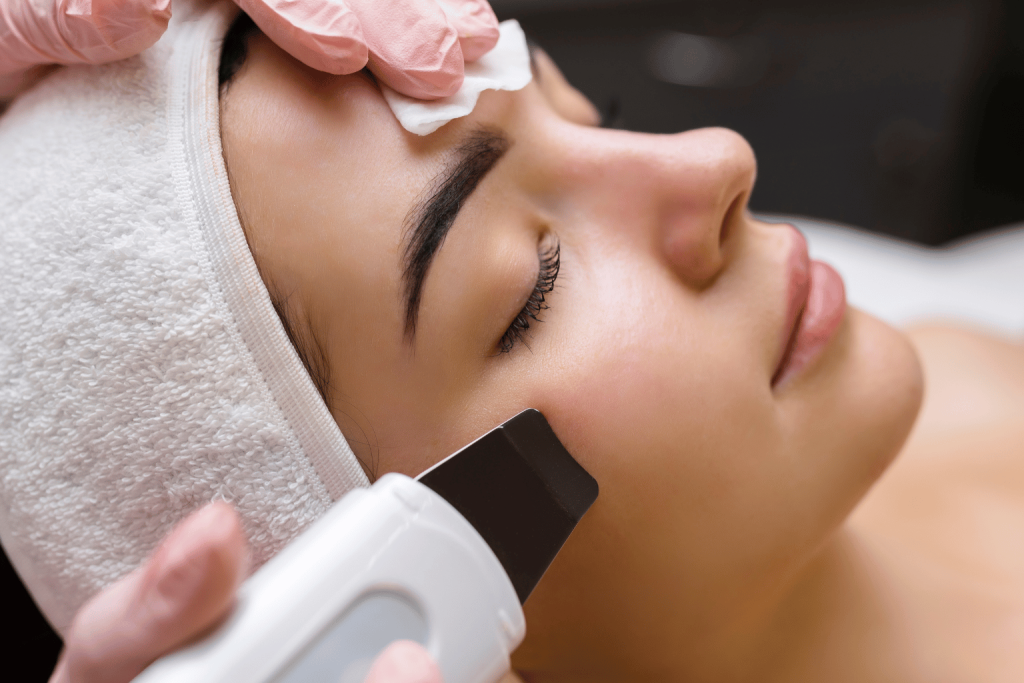
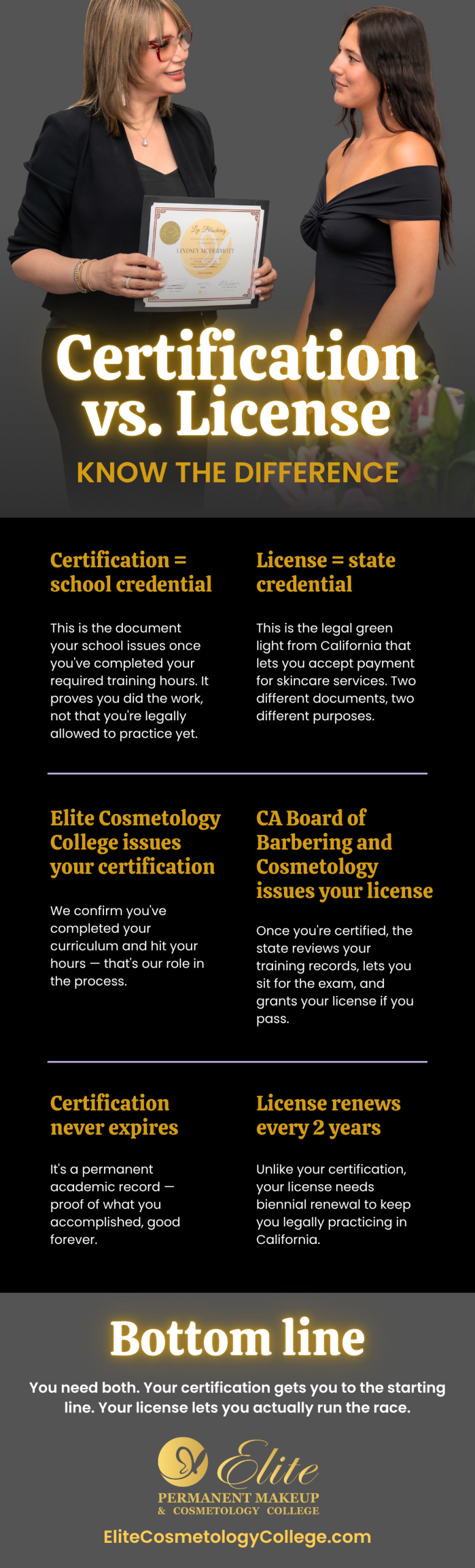
An esthetician certification is the document your school gives you once you’ve completed your required training hours in skincare, treatments, and safety protocols. It’s proof that you sat through the coursework, put in the practical hours, and demonstrated the skills a professional esthetician needs. Think of it as your academic diploma for the skincare world — it says “I did the work and I know the material.”
The Credential Spectrum
Here’s where people get tripped up. There are actually a few different terms floating around, and they’re not interchangeable:
- Institutional certification — issued by your school, this confirms you completed a specific program and met its curriculum requirements.
- Vocational diploma — often used interchangeably with certification, this signals a completed career-training track rather than a general education path.
- Completion certificate — a more generic term that simply confirms attendance and finished coursework, sometimes without the depth of a full vocational program.
At Elite Cosmetology College, our esthetician certification covers all of it — real hours, real skills, real accountability.
California Regulatory Context
In California, your esthetician certification means something very specific: it’s validation that you’ve completed the state-mandated training hours required before you can even apply to sit for your licensing exam. California doesn’t let you skip this step. The certification is the gate, and the license is what’s on the other side of it.
The Hiring Landscape
Here’s the part nobody tells you upfront: high-end employers care a lot about where your certification came from. A medspa or a dermatology office isn’t just checking a box — they’re looking at whether your training was rigorous, state-approved, and hands-on. Employers in the luxury spa and clinical space want to see that you trained somewhere that actually pushed you, not somewhere that rushed you through the hours.
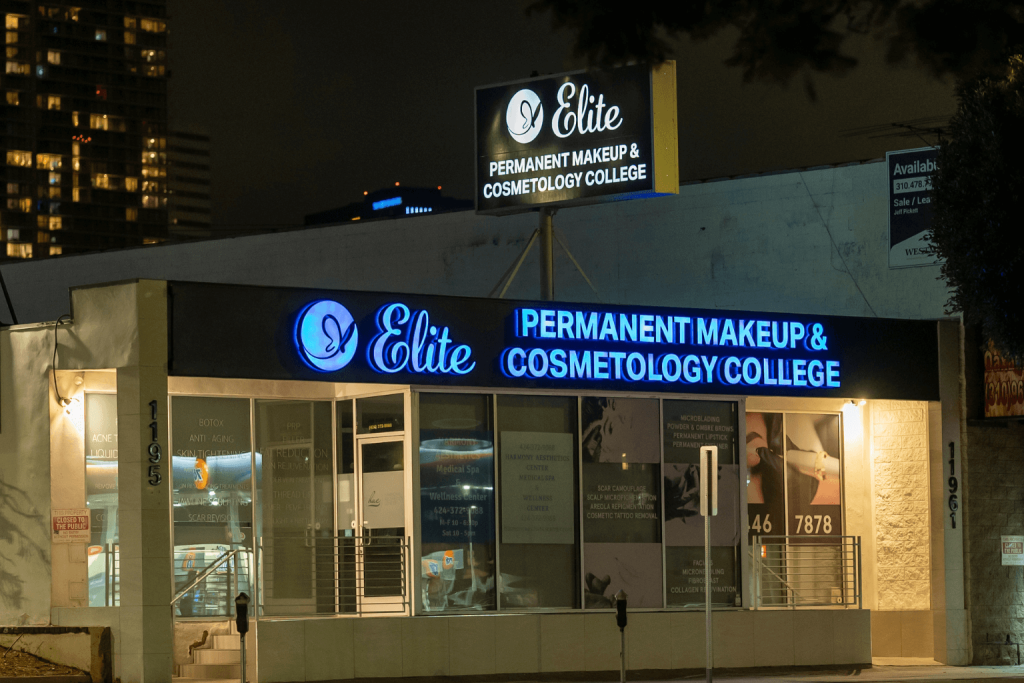
That’s exactly why so many students specifically search for an esthetician certification in Los Angeles rather than settling for the first program they find. The Los Angeles market is competitive, saturated with luxury spas, dermatology practices, and medspas that can afford to be picky. Training at a school with a strong local reputation, like Elite Cosmetology College, gives you an edge the moment you walk into an interview.
Legal Boundaries: Esthetician Certification vs. Esthetician License in California
This is the single most important distinction in this entire guide, so let’s slow down and get it right.
The Critical Boundary
Your esthetician certification is NOT a license. We know that sounds obvious once you say it out loud, but so many prospective students assume finishing school means they can start working immediately. It doesn’t. Your certification proves you finished training. Your license proves the state agrees you’re qualified to practice.
The Jurisdictional Flow
Here’s how it actually works. A top-tier school like Elite Cosmetology College issues your certification once you’ve completed your curriculum hours and coursework. From there, the California Board of Barbering and Cosmetology takes over — they review your training records, let you sit for their exam, and issue your legal license once you pass. Two separate authorities, two separate documents, two separate steps.
Why You Need Both
Think of these as two halves of the same launch sequence. Your certification is the fuel — the actual knowledge and hands-on skill you built. Your license is the ignition — the legal green light to turn that skill into a paycheck. You genuinely need both to build a real career in this state.
Comparison Matrix
|
Metric / Feature |
Esthetician Certification |
California Esthetician License |
|
Issuing Authority |
Elite Cosmetology College (BPPE-approved school) |
California Board of Barbering and Cosmetology |
|
Prerequisite Requirement |
Enrollment, tuition agreement, & high school diploma/GED |
600 hours of completed school training & certification |
|
Legal Status |
Academic validation of training completion |
Legal authorization to practice skincare for compensation |
|
Expiration / Renewal |
Permanent academic record (does not expire) |
Requires biennial renewal (every 2 years in CA) |
Once you see it laid out like this, the confusion usually clears up fast. Your certification never expires — it’s simply a record that you did the work. Your license, on the other hand, needs to be renewed every two years to keep you legally practicing.
Path to the Top: How to Become a Licensed Esthetician in Los Angeles (Step-by-Step)
We like to think of this as a six-step launch sequence, and it’s the exact roadmap every student pursuing an esthetician certification in Los Angeles follows on their way to becoming licensed. No mystery, no guesswork — just a clear path.
- Strategic Enrollment — Enroll in a state-approved esthetician program at a premier academy like Elite Cosmetology College. This is where your training officially begins.
- Clock Your Hours — Complete your 600 mandatory, state-regulated training hours across practical and theoretical modules.
- Institutional Graduation — Graduate and receive your official institutional certification of completion. This is your proof of readiness.
- State Board Application — Submit your formal application and training records to the California licensing board.
- Master the State Requirements — Successfully pass the official California licensing criteria.
- Launch Your Practice — Begin working legally as a licensed skincare professional anywhere in the state of California.
That’s it. Six steps between where you are right now and a career you actually chose for yourself.
The Timeline Matrix: How Long Does It Take to Earn an Esthetician Certification?
The number everyone wants to know: 600 hours. That’s the state-mandated minimum, and it’s non-negotiable — but how those hours fit into your life is completely up to you.
The 600-Hour Runway
If you go full-time and treat school like a job, you can realistically finish in around 4 to 5 months. If you’re balancing a current job, family obligations, or just need a slower pace, our part-time evening and weekend tracks stretch that out closer to 7 or 8 months. Either way, every single hour counts toward the same goal: a completed esthetician certification that opens the door to your state exam.
Skills to Speed
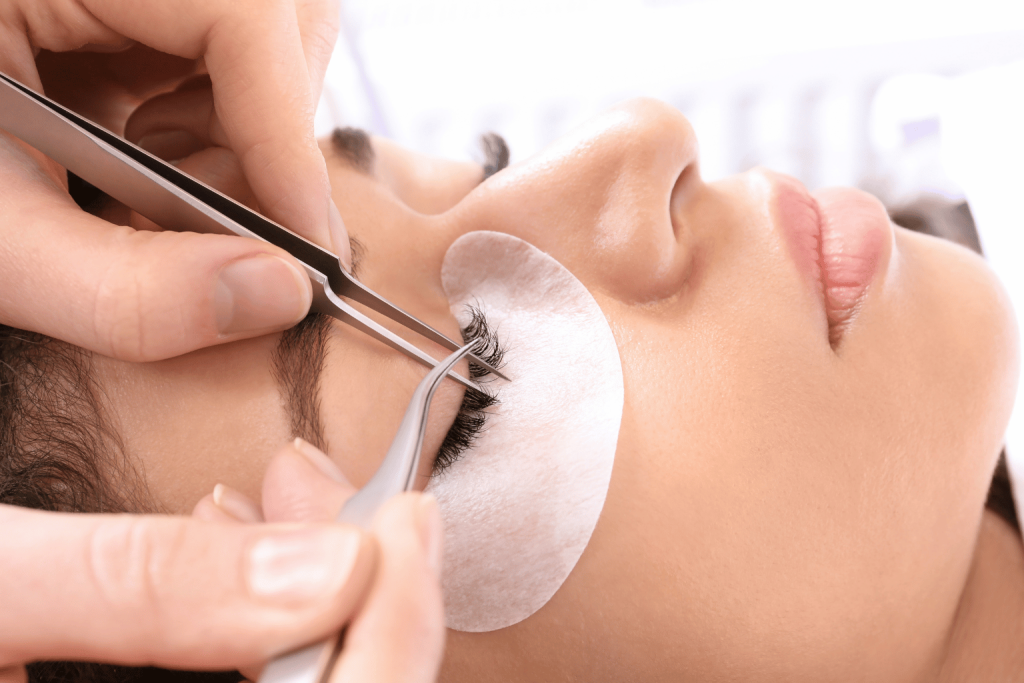
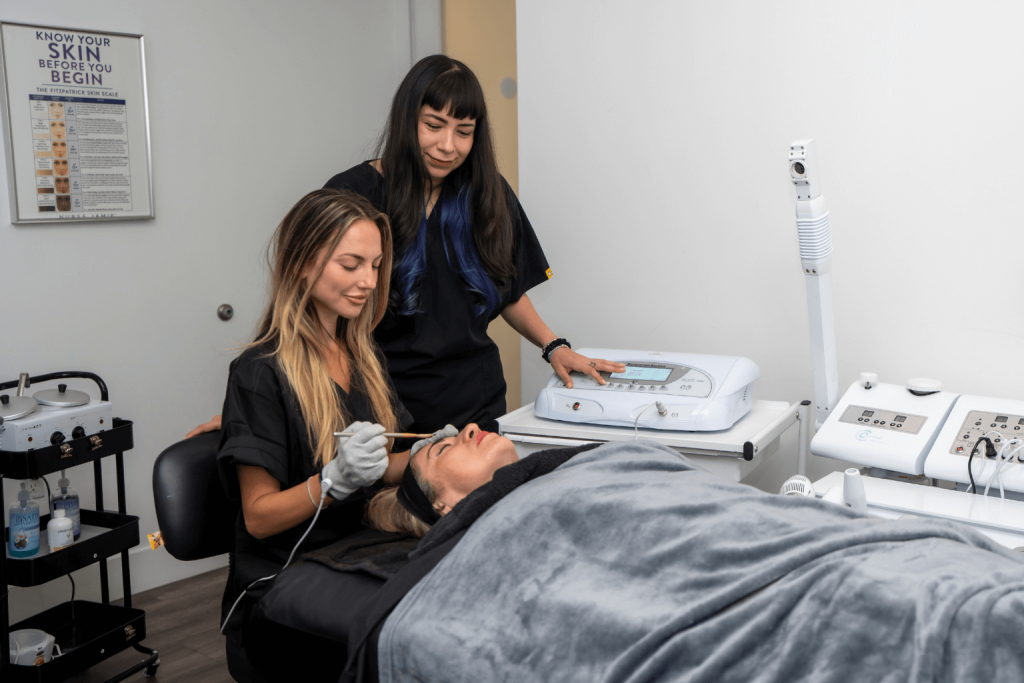
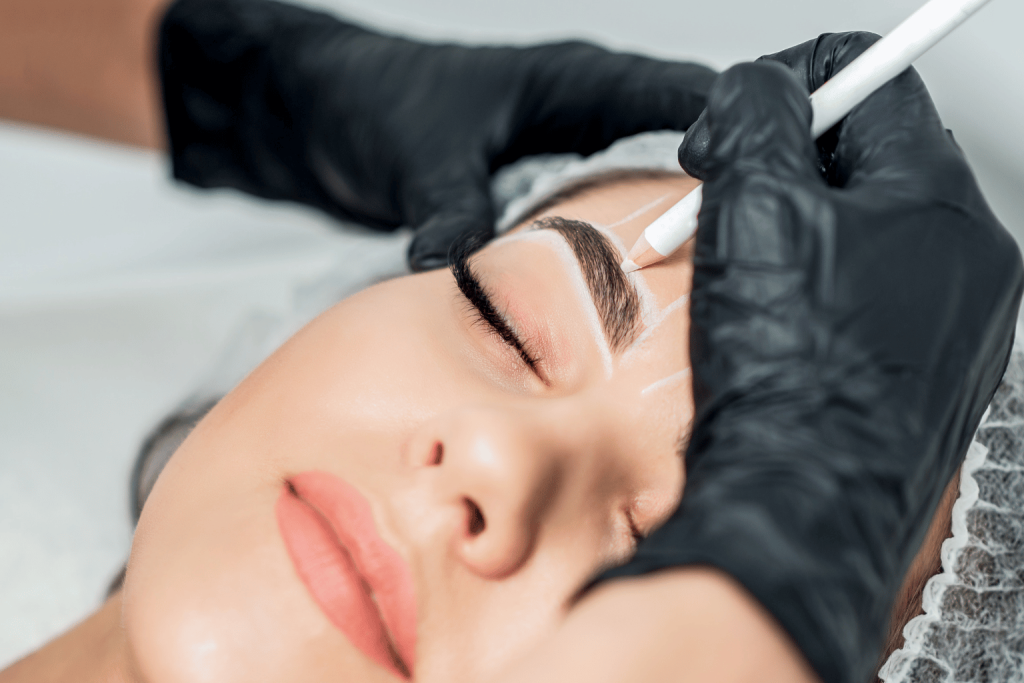
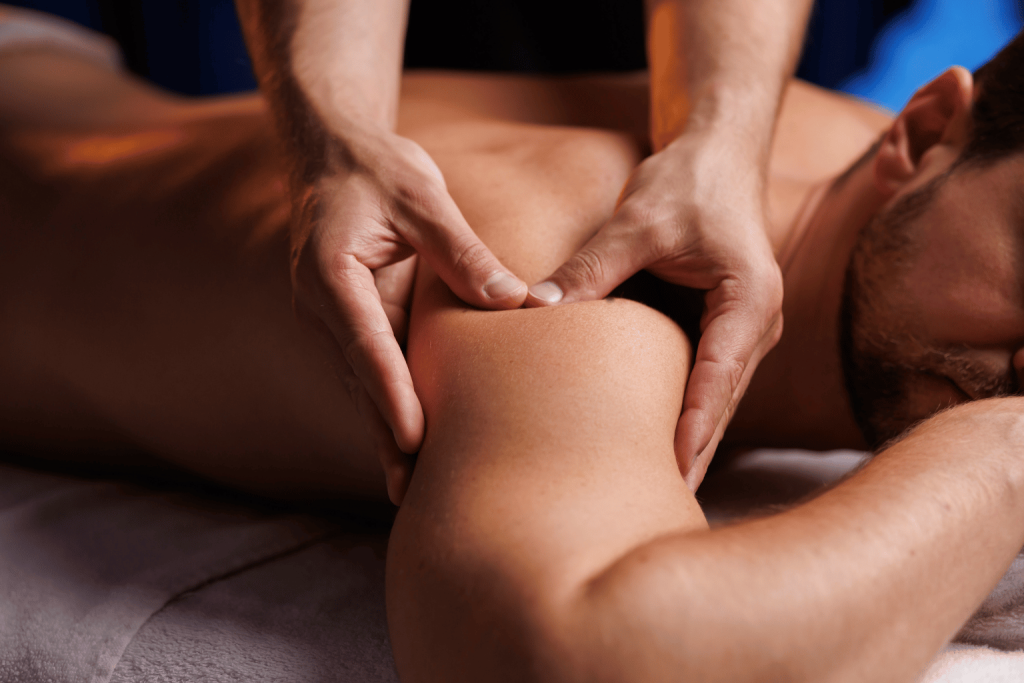
None of those 600 hours are filler. Every hour is built around mastering real, practical skills — advanced facial treatments, skincare chemistry, professional body waxing, massage technique, and precision brow design. You’re not sitting through busywork. You’re building the muscle memory that makes you employable on day one.
We get this question constantly from prospective students comparing programs across the city: does pursuing an esthetician certification in Los Angeles take longer than in other parts of the state? Generally, no — the 600-hour requirement is set by the California Board of Barbering and Cosmetology and applies statewide. What can vary is how quickly you move through it, which depends entirely on the schedule flexibility your school offers. That’s exactly why we built both full-time and part-time tracks into our program.
Curriculum Breakdown: What You'll Learn During Esthetician Training
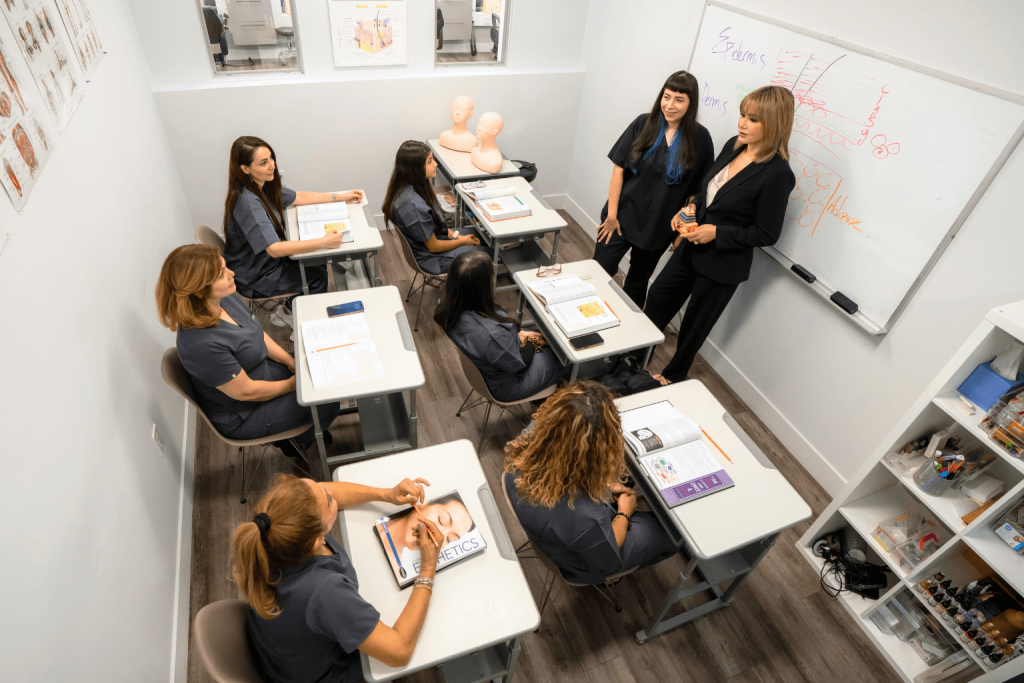
A lot of prospective students picture esthetics school as facials all day, every day. In reality, your curriculum is broader, more technical, and honestly more interesting than that. Here’s what your actual coursework looks like once you’re enrolled in Elite Esthetician course:
Clinical Skin Anatomy
Histology, common skin disorders, cell renewal cycles, and the physiology behind everything you'll treat.
Customized Facial Protocols
Hands-on practice with deep cleansing, extractions, skin analysis, and treatments tailored to different skin types.
Professional Body Waxing Techniques
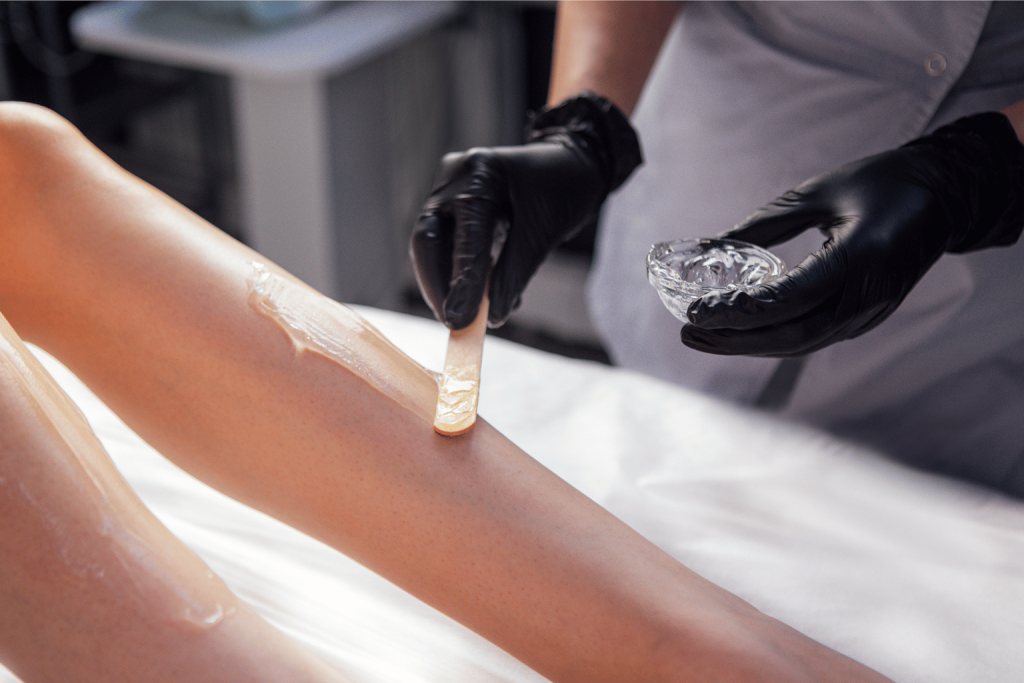
Full-body speed waxing, sanitation discipline, and the structural efficiency that keeps clients comfortable.
Precision Brow Design & Services
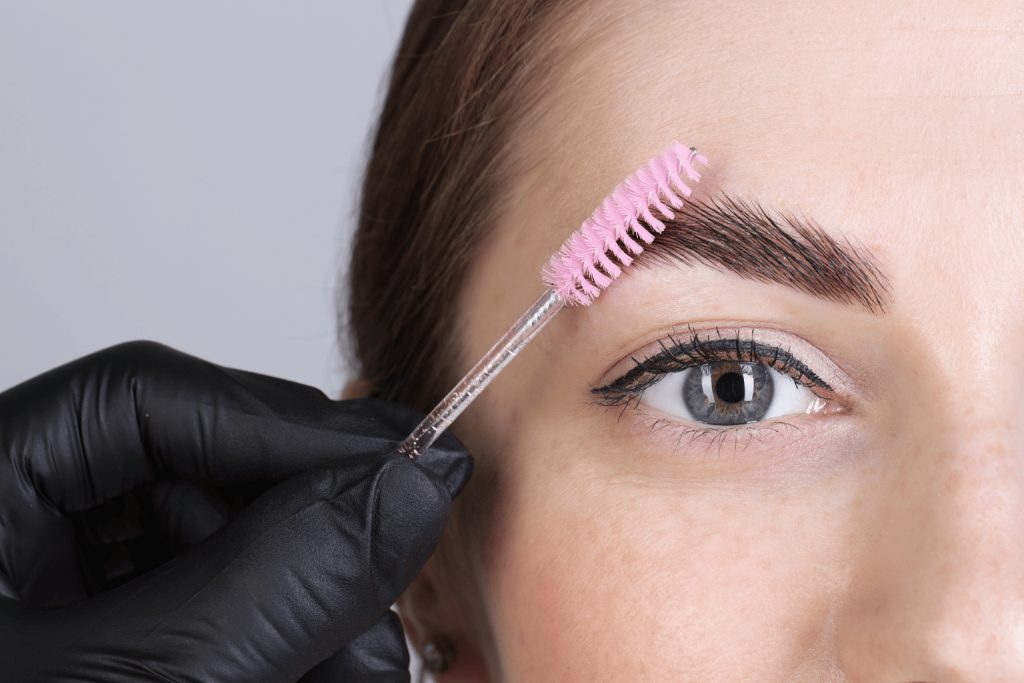
Shaping, defining, tinting, waxing, and sculpting brows that actually frame a client's face.
Therapeutic Massage Techniques
Classic Swedish strokes, deep tissue work, and facial acupressure for relaxation and rejuvenation.
Sanitation & Infection Control
Strict EPA, OSHA, and California State Board protocols for sterilization and cross-contamination prevention.
Client Consultation
Professional skin readings, client intakes, and the relationship-building skills that drive repeat business.
Product Chemistry & Brand Knowledge
Deep dives into ingredient decks and professional-grade product mastery, including direct training with global leaders like Dermalogica.
Beauty Business Fundamentals
Salon math, retail upselling, social media branding, and client management software.
By the time you finish, you’re not just certified — you’re genuinely ready.
Mapping the Future: Luxury Career Opportunities After Certification
This is the part that gets people excited, and honestly, it should. An esthetics background is one of the most versatile credentials in the beauty industry — it doesn’t lock you into one type of workplace or one type of client. Here’s where your esthetician certification can take you:
- Day Spa Esthetician — Delivering premium wellness treatments in calm, upscale environments.
- Medical Spa (MedSpa) Esthetician — Supporting advanced chemical peels, laser therapies, and clinical skincare treatments.
- Luxury Resort & Cruise Spa Professional — Traveling the world while working with high-net-worth clientele.
- Dermatology Office Skincare Specialist — Assisting medical professionals with pathological skin conditions.
- Plastic Surgery Office Clinical Assistant — Managing pre- and post-operative skin health and barrier recovery.
- Professional Makeup Artist — Bridal, editorial, film, or runway specialization.
- Dedicated Wax Specialist — Thriving in high-volume, specialized waxing boutiques.
- Lash and Brow Technician — Riding the boom in lash extensions, lash lifts, and brow lamination.
- Skincare Brand Consultant — Representing elite skincare lines in premier retail settings.
- Clinical Product Educator — Training other professionals on advanced product protocols.
- Independent Boutique Salon Owner — Taking full control of your income and your schedule.
One certification. This many doors. That’s the point.
Is Becoming an Esthetician Worth It? Analyzing Your Return on Investment
Let’s talk numbers and reality, because you deserve a straight answer, not a sales pitch.
Wellness and preventative skincare aren’t trends anymore — they’re permanent fixtures of how people think about self-care. Consumer focus on anti-aging, skin health, and in-office treatments keeps climbing, and that means steady demand for trained estheticians across LA.
Your income isn’t capped at an hourly wage. Between service commissions, retail bonuses on product sales, and tipping, experienced estheticians — especially in medspas and private suites — build income that scales with their skill and client base, not just their clock-in time.
Booth renting and private spa suites mean you can build a schedule that actually fits your life, not the other way around. Morning person? Night owl? Parent working around school pickup? This career bends to you.
Booth renting and private spa suites mean you can build a schedule that actually fits your life, not the other way around. Morning person? Night owl? Parent working around school pickup? This career bends to you.
There’s something genuinely rewarding about helping someone walk out of your treatment room more confident than they walked in. That emotional payoff, combined with real earning potential and flexibility, is why so many of our graduates say they’d choose this path again.
Los Angeles isn’t just a big city — it’s one of the most concentrated luxury beauty markets in the country. Between the medspas in Beverly Hills, the wellness resorts along the coast, and the dermatology offices scattered across the metro, an esthetician certification in Los Angeles puts you within reach of some of the highest-earning opportunities in the entire industry. That geographic advantage is part of the ROI equation, and it’s one a lot of students overlook.
If you’ve made it this far, you’re not just curious anymore — you’re serious. And that’s exactly the kind of student we love working with at Elite Cosmetology College. We built our esthetician certification program around real hours, real skill-building, and real career outcomes, because we know what it takes to get hired at the level our graduates are aiming for. Ready to see what your timeline could look like? Reach out to our admissions team and let’s map out your path.
Frequently Asked Questions
No, an esthetician certification is an academic document issued by an approved beauty school confirming you have successfully completed your 600 training hours. A license is the legal credential granted by the California Board of Barbering and Cosmetology only after you pass the official state examination requirements.
Earning an esthetician certification in Los Angeles requires completing a minimum of 600 hours of state-approved training. Depending on whether you choose an intensive full-time daytime schedule or a flexible part-time evening track, this curriculum typically takes between 4 to 8 months to complete.
Yes, you can absolutely maintain employment while training. Most premier institutions, including Elite Cosmetology College, offer flexible morning and evening scheduling modules specifically designed to help busy adults balance their current jobs with their educational hours.
No previous professional skincare or beauty experience is required to enroll. State-approved programs are structured to guide you from square one, teaching you everything from foundational skin anatomy and basic sanitation to advanced clinical facials and business management.
Yes, you can often transfer completed hours. The California Board of Barbering and Cosmetology reviews out-of-state or external training records on an individual basis. An admissions advisor at Elite Cosmetology College can help evaluate your transcripts to maximize your transfer credits.
In the Los Angeles market, an esthetician's earning power varies based on their venue and specialization. While entry-level salon positions start around hourly base wages, experienced specialists in luxury medspas, plastic surgery clinics, or private suites frequently cross substantial income thresholds through service commissions, gratuities, and retail product sales.
To be eligible to sit for the California State Board licensing exam and practice legally, candidates must be at least 17 years of age and have completed the 10th grade or its equivalent (such as holding a high school diploma or GED).
Yes. Elite Cosmetology College offers flexible in-house payment plans. Elite is approved to operate by the California Bureau for Private Postsecondary Education (BPPE, school code 32801966), is not nationally accredited, and does not take part in federal aid such as Pell Grants or federal student loans.
Yes, a valid California esthetician license gives you the legal right to establish an independent skincare practice, lease a private salon suite, or open a full-service day spa, provided you comply with local Los Angeles municipal business permit regulations and safety codes.
Upon graduation, you receive your official school-certified esthetician certification. Your records are then submitted to the California Board of Barbering and Cosmetology, allowing you to schedule your state exam, pass the legal requirements, and step directly into the professional workforce.
Disclosure: Individual career success varies and is dependent on effort, market conditions, and ongoing professional development. Elite Cosmetology College provides quality education and career preparation, but cannot guarantee specific employment outcomes or income levels.